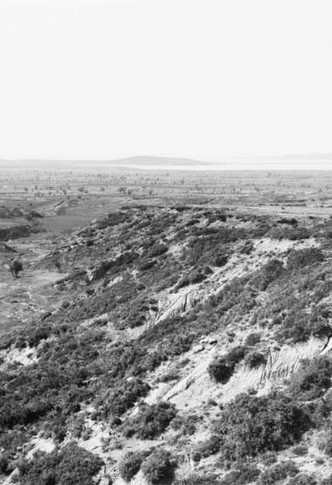
In the latter days of November in the Gallipoli peninsular, large flocks of migrating geese passed overhead on their way to a warmer winter home. In an effort to relive the boredom, any weapon that could be obtained was pressed into service to send up an impenetrable wall of lead to bring down these birds. Rifles and machine-guns; both Turkish and Allied engaged in the curious sport. One known goose was brought down but as it landed in no-mans-land, neither side benefited from its demise. The acute boredom of trench life in the Gallipoli peninsular was all apparent to the men of the 5th Battalion and with the onslaught of the heavy winter weather, the men who had just become accustomed to the heat, now found themselves in sub-zero temperatures suffering from flooded trenches and frostbite. It was a curious battlefront. Unbeknown to them however, the powers that be, had already consoled themselves to an evacuation of the peninsular as soon as possible. Though much had been done to purport the image that the Allies were still in offensive spirit, not much was done to further the front line. A large mine was blown under Hill 60 in front of the Battalion on 5th November (in honour of it being Guy Faukes night) but under the express orders of the CO, the men were not to leave their trenches to consolidate the crater, but were instead to remain in their positions. No unnecessary loss of life was to be risked. Comments are closed.
|
Welcome to our online 'chronicle' that charted the history of the many battalions of the Suffolk Regiment throughout their service during the Great War.
This record is now closed, but we have retained all our original posts here for you to search through and in the fullness of time, we hope to add to it as and where new stories come to light. It was at times, a challenging but rewarding endeavour which has helped many people in their research of the Regiment. If you know the specific month of an action of the Regiment, you can search for it in the list below: Archives
February 2025
|